Escape the Eczema Trap®
Jessica Fonteneau, Registered Nutritional Therapist (MSc, rCNHC, mBANT, DipIoN), works with adults and children to address the gut, immune, and nutritional drivers behind persistent eczema, dermatitis, histamine intolerance, and MCAS.
Why eczema keeps coming back

Most people with persistent eczema have tried all the usual recommendations: steroid creams, elimination diets, dermatology referrals. When it doesn't resolve or returns, it's not because you haven't tried all these things.
The Eczema Trap is what happens when the root drivers of your eczema go unaddressed. The flare, the cream, the brief relief, the flare again is a loop that you are probably very familiar with and it exists because eczema is a signal, not just a skin problem. It reflects what's happening in the gut, the immune system, and at the level of the skin barrier, among other things.
The gut-skin axis, the two-way relationship between gut health and skin inflammation, sits at the centre of most chronic cases. Histamine load, mast cell activity, gut dysbiosis, nutrient status, skin barrier function: these are some of the drivers. For some clients, nutrigenomics — the relationship between your genetic variants and how your body processes nutrients — adds another layer to the picture. Address them, and the Eczema Trap falls apart.
Adults: How I can help
If you're dealing with persistent eczema, dermatitis, histamine intolerance, or suspected MCAS, the Eczema Trap protocols give you a structured, evidence-informed path forward.
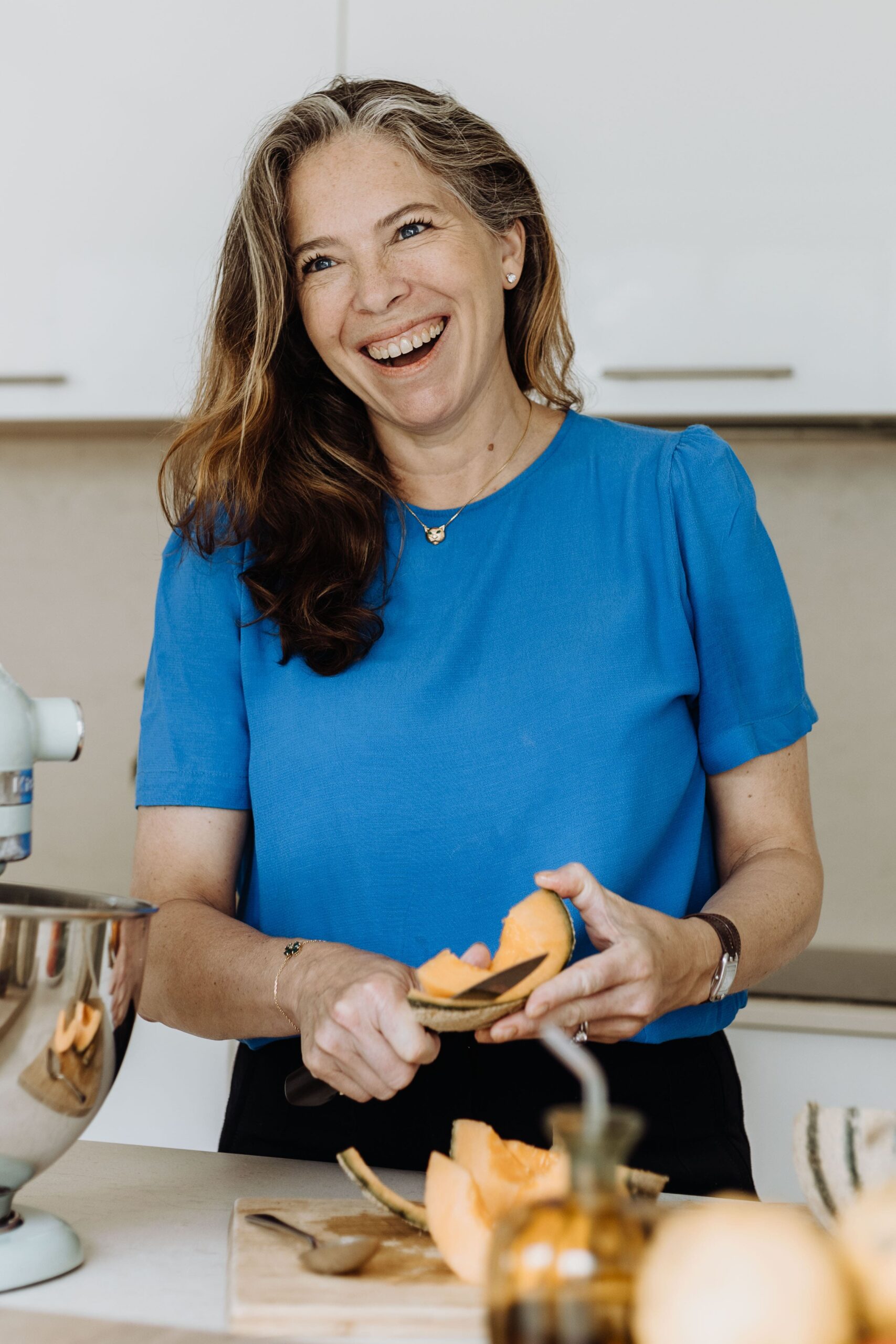
The Protocols are 10 self-guided programmes, each one targeting a specific driver of eczema. Gut health. Histamine load. Skin barrier. Inflammation. Microbiome. Nutrient status. Sleep. Stress. Liver support. And more.
Work through one on its own, or buy a bundle of three, five, or all ten. Not sure where to start? The quiz maps your top drivers so you're not guessing.

One-to-one support
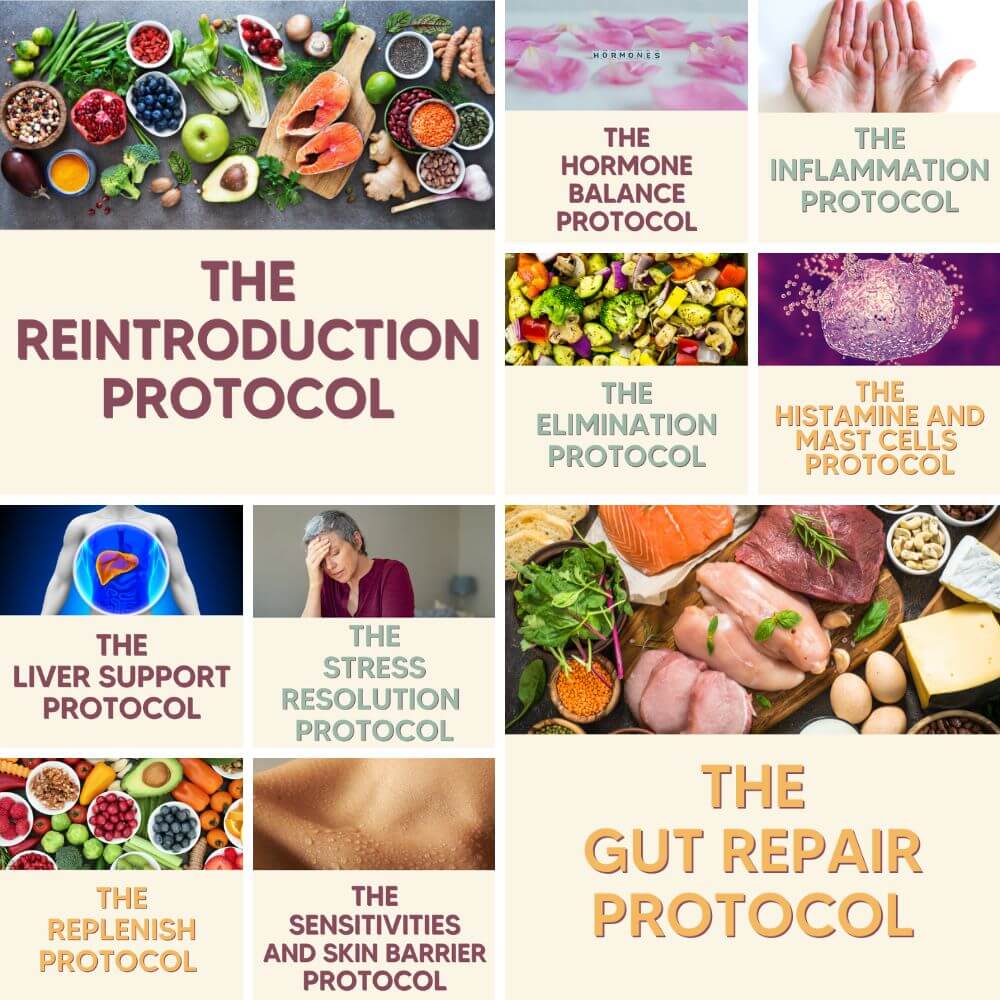
For one-to-one support, a thorough clinical assessment, a personalised plan, and on-going guidance, Jessica offers individual support. One-to-one work may also incorporate nutrigenomic testing where relevant — looking at how your genetic variants may influence your histamine metabolism, vitamin D processing, or inflammatory response.
Children: How I can help
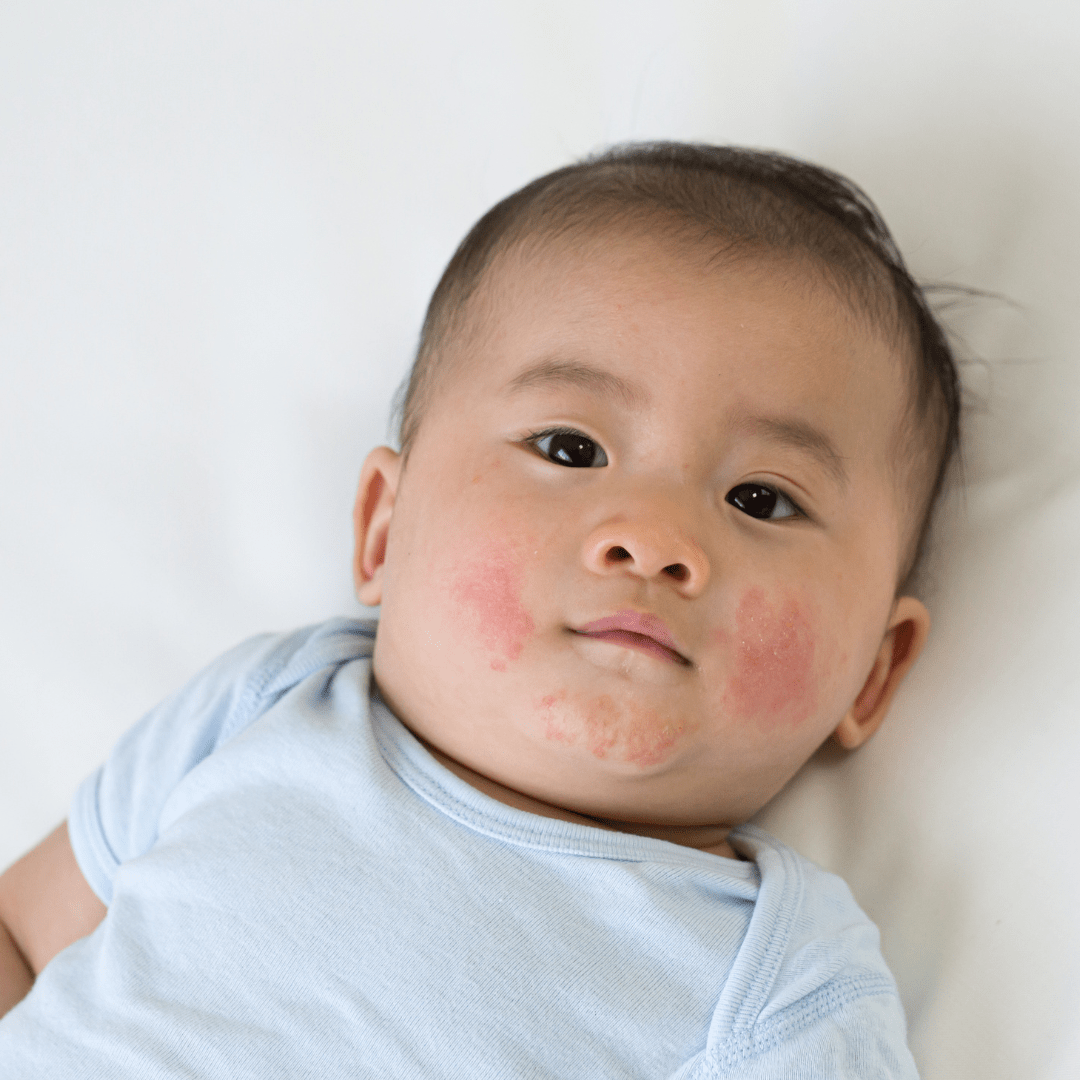
When your child's eczema isn't settling despite moisturisers, elimination diets, and standard medical management, the underlying drivers are often nutritional and gut-related.
Little Eczema Trap® is Jessica's paediatric programme, age-appropriate, evidence-informed, and built around the nutritional needs of children with atopic conditions. It addresses the gut, food triggers, skin barrier, and immune drivers that standard advice doesn't reach.
Jessica works with infants, children, and young people alongside their families, always working in conjunction with your medical team, not instead of them.
About Jessica
I've had atopic eczema since I was six months old. For most of my life, the clinical conversation ended the same way: eczema is incurable, here's a stronger cream.
It wasn't until I worked with a practitioner who looked at the whole picture, gut health, food triggers, histamine, nutrient status, that my skin genuinely settled. I was so struck by what a difference it made that I retrained as a Registered Nutritional Therapist, studying at the Institute for Optimum Nutrition and completing an MSc.
Ten years on, I hold full registration with BANT and CNHC. The Eczema Trap is the framework I've built from that clinical experience, and from having lived in the loop myself.

Wider clinical work
Eczema rarely exists in isolation. Many of the clients I work with are also managing other complex health conditions, and those conditions often intersect with the gut-skin picture in ways that matter clinically.
Digestive conditions — IBS, IBD, SIBO, and related gut disorders — often sit right at the intersection of the gut-skin axis. If your eczema comes alongside gut symptoms, that connection is usually clinically significant and is something I address as part of the same picture.
If you have eczema alongside a cancer diagnosis or a history of cancer, I hold specialist accreditation to support nutritional therapy in an oncology context. If your eczema is entangled with a difficult relationship with food or eating, I'm currently completing specialist training in eating disorder support and will be offering this as a dedicated service shortly.
You don't have to choose between your eczema and everything else going on. If your situation is more complex, let's talk about how I can support the whole picture.