Little Eczema Trap®
Little Eczema Trap® is the nutritional approach to childhood eczema that addresses the gut, food triggers, skin barrier, and immune drivers that standard management doesn't reach.

Why Little Eczema Trap?
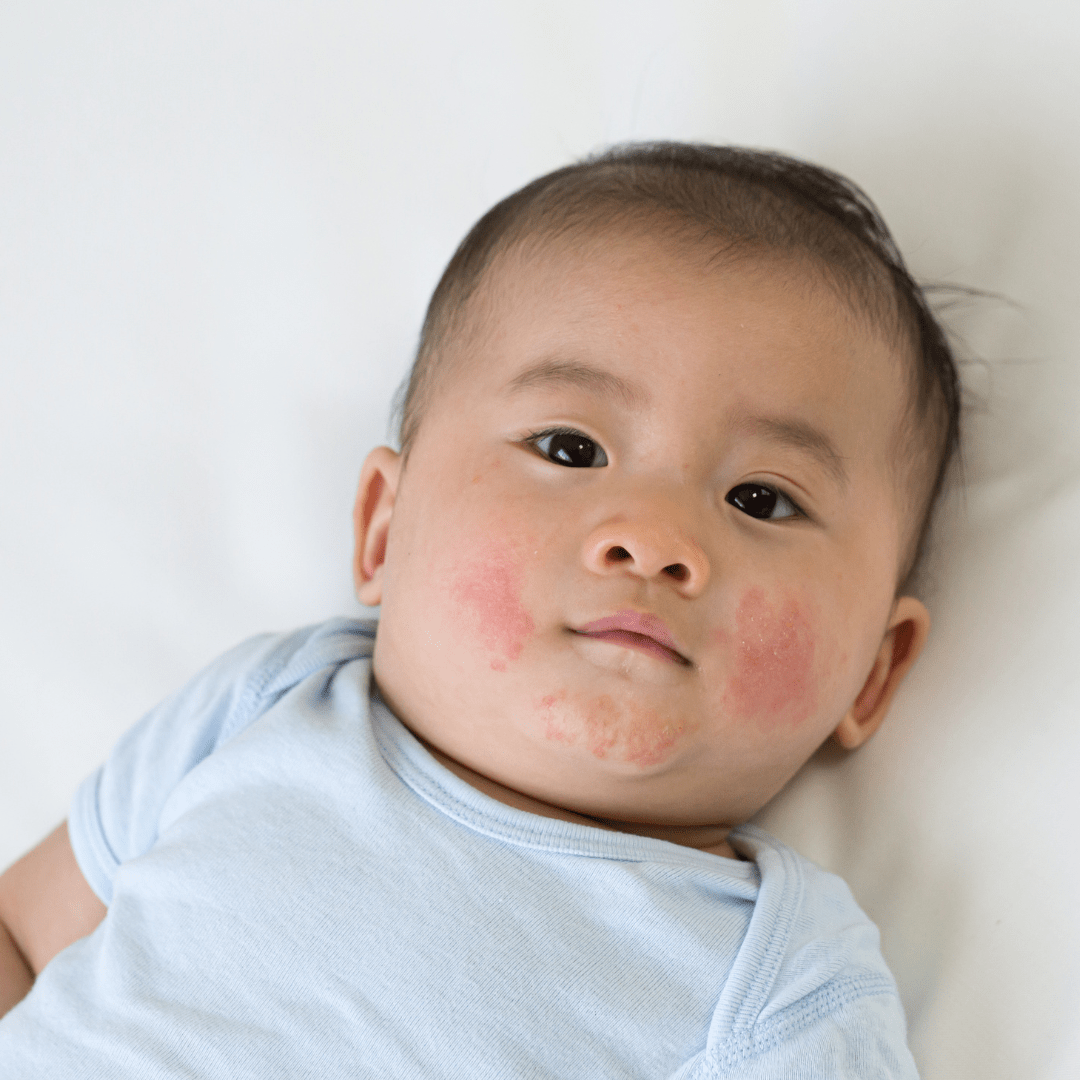
When a child has eczema, the standard clinical pathway is well established: emollients, topical steroids for flares, trigger avoidance. For some children, that's enough. For many, it isn't.
If your child's eczema keeps returning, or has never fully settled, the conversation usually stays at the surface. Which cream? Which antihistamine? Which foods to cut out this time? The underlying question, why is the immune system responding this way, and what's sustaining it, rarely gets asked.
That's the gap Little Eczema Trap was built to address.
WHAT LITTLE ECZEMA TRAP COVERS
Little Eczema Trap looks at the nutritional and gut-related drivers behind childhood eczema. It's evidence-informed, age-appropriate, and designed to work alongside, not instead of, your child's medical care.
The gut-skin axis is as significant in children as it is in adults. Gut dysbiosis, intestinal permeability, unidentified food triggers, and nutritional deficiencies all contribute to the inflammatory picture, and none are addressed by topical treatment alone.
Who it's for
Little Eczema Trap covers infants, children, and young people up to the age of 15.
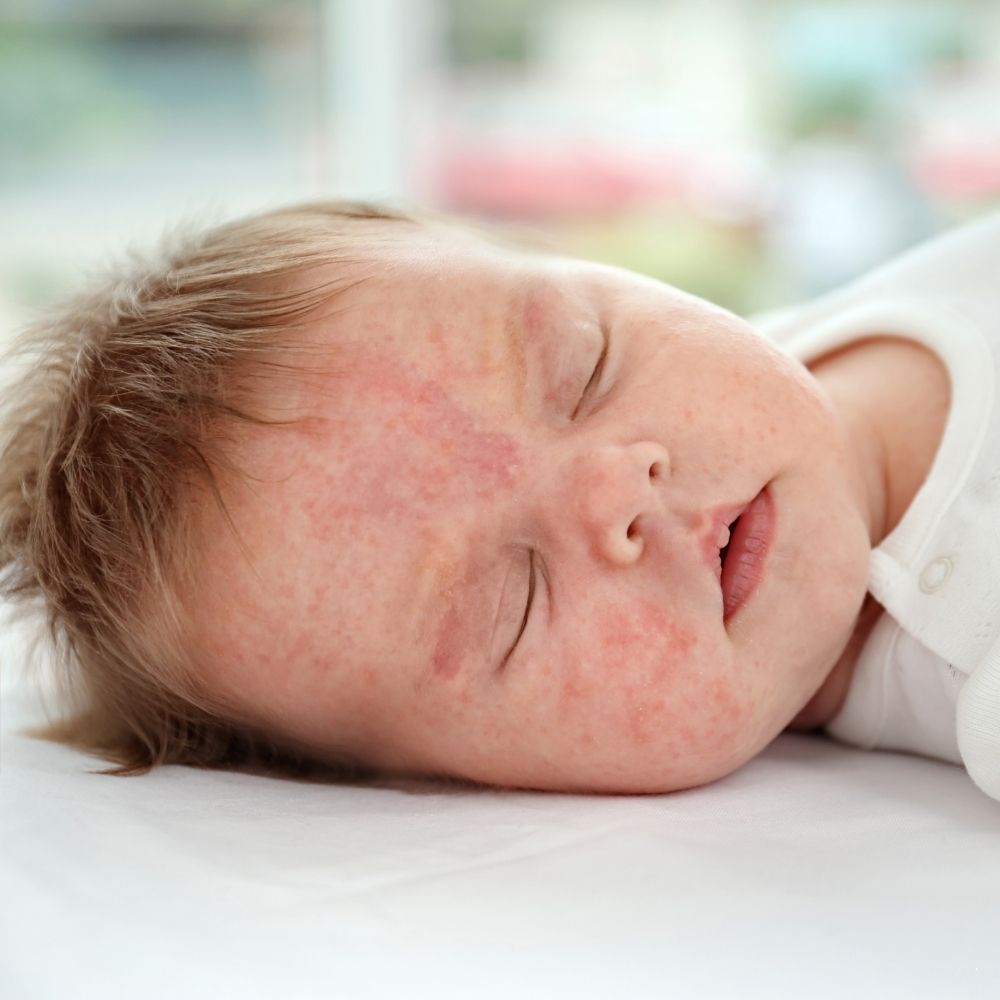
0–6
Infancy through early childhood. Focus on gut microbiome development, weaning approach, maternal diet (if breastfeeding), and the nutritional foundations of skin barrier development.
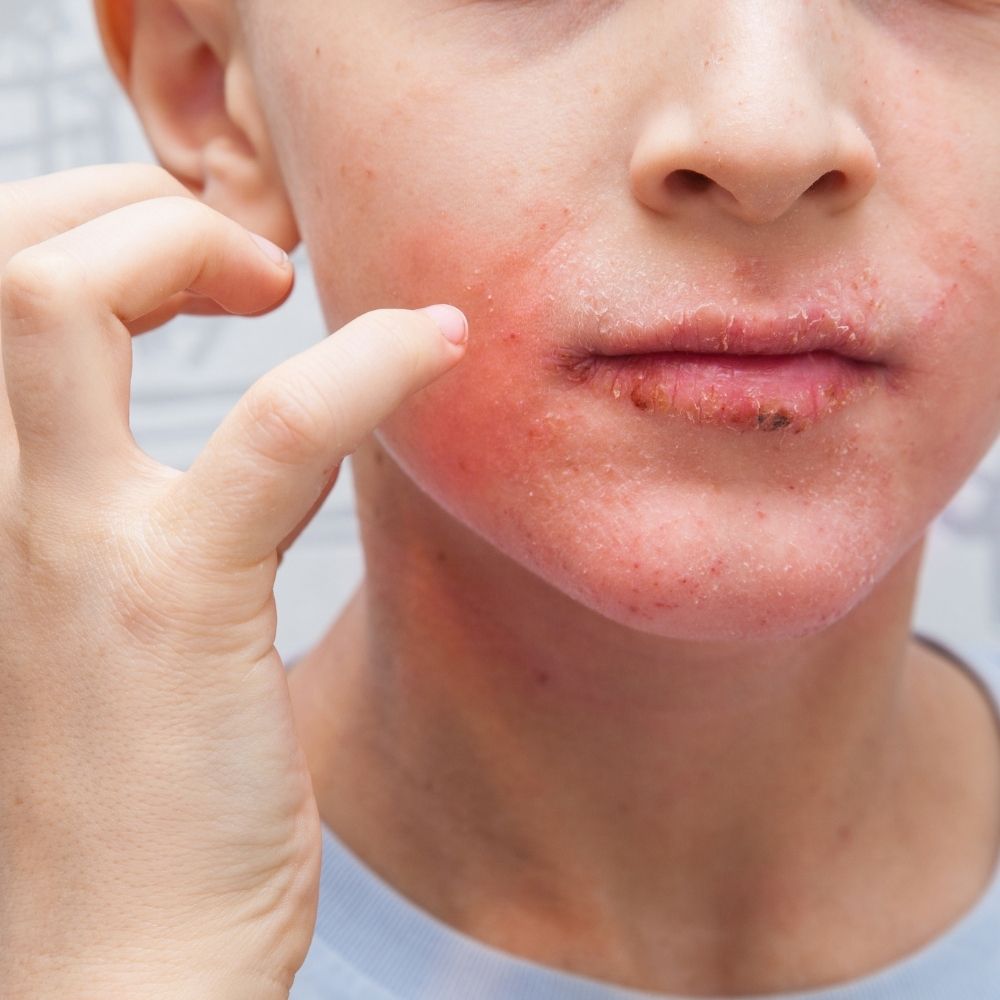
7–13
School age. Identifying delayed food triggers, supporting gut health, addressing the nutritional gaps common in a school-age diet.
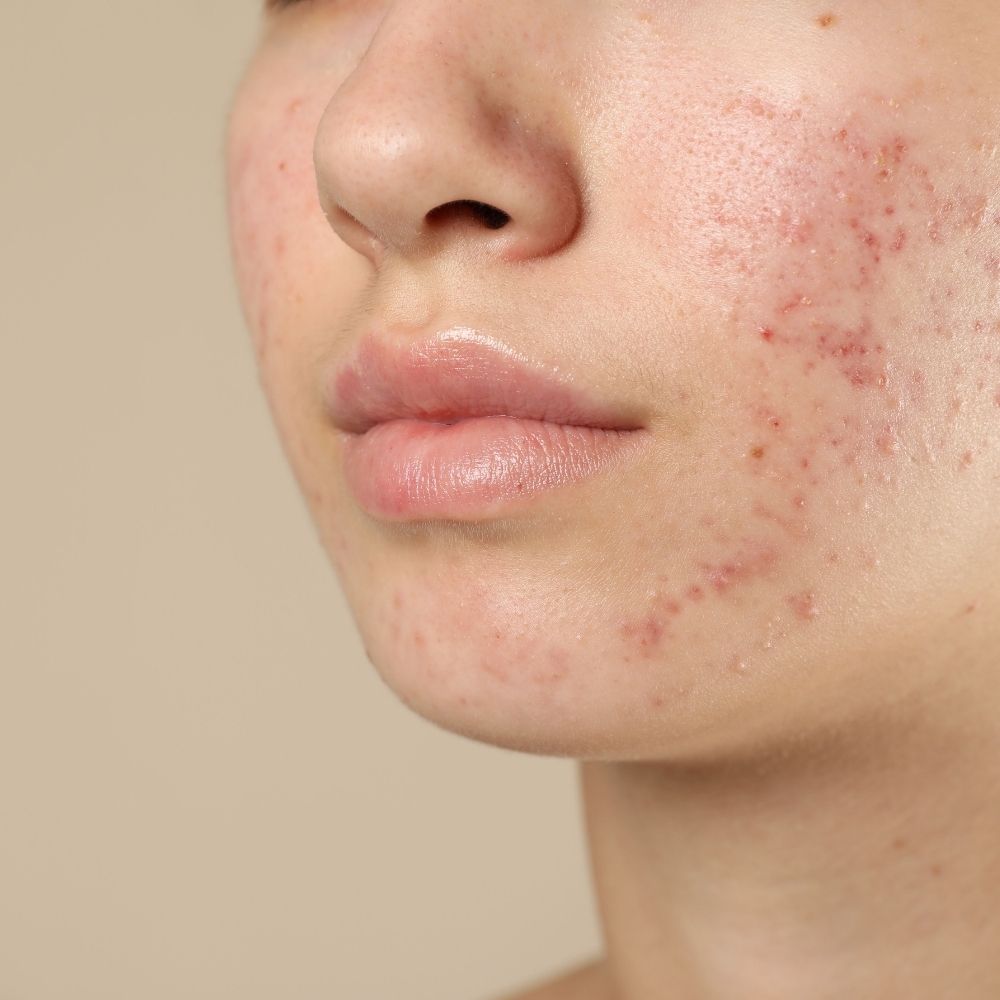
13–15
Early adolescence. Hormonal shifts, stress, and lifestyle factors that influence eczema patterns in the teenage years.
Medically, children aged 16 and above are considered adults. If your child is 16 or over, please refer to the adult section of the website.
ONE-TO-ONE SUPPORT
If you are interested in working directly with Jessica on your child's case, one-to-one paediatric consultations are also available. The discovery call is the place to start.
About Jessica
Jessica Fonteneau is a Registered Nutritional Therapist (MSc, mBANT, CNHC, DipIoN) and Director of BANT, with over a decade of clinical experience in eczema and the gut-skin axis. She works with children from infancy through to the age of 15, always in conjunction with their existing medical care.
Her MSc dissertation focused specifically on nutrition as a complementary approach in atopic eczema and chronic dermatitis. Paediatric eczema has been central to her clinical practice throughout.

Google Reviews