
When eczema shifts in the teenage years, puberty is usually part of the picture.
Hormonal changes in early adolescence directly influence mast cell activity, gut permeability, and skin barrier function. If eczema has changed or worsened recently, that's where to look.

WHY ECZEMA CHANGES IN EARLY ADOLESCENCE
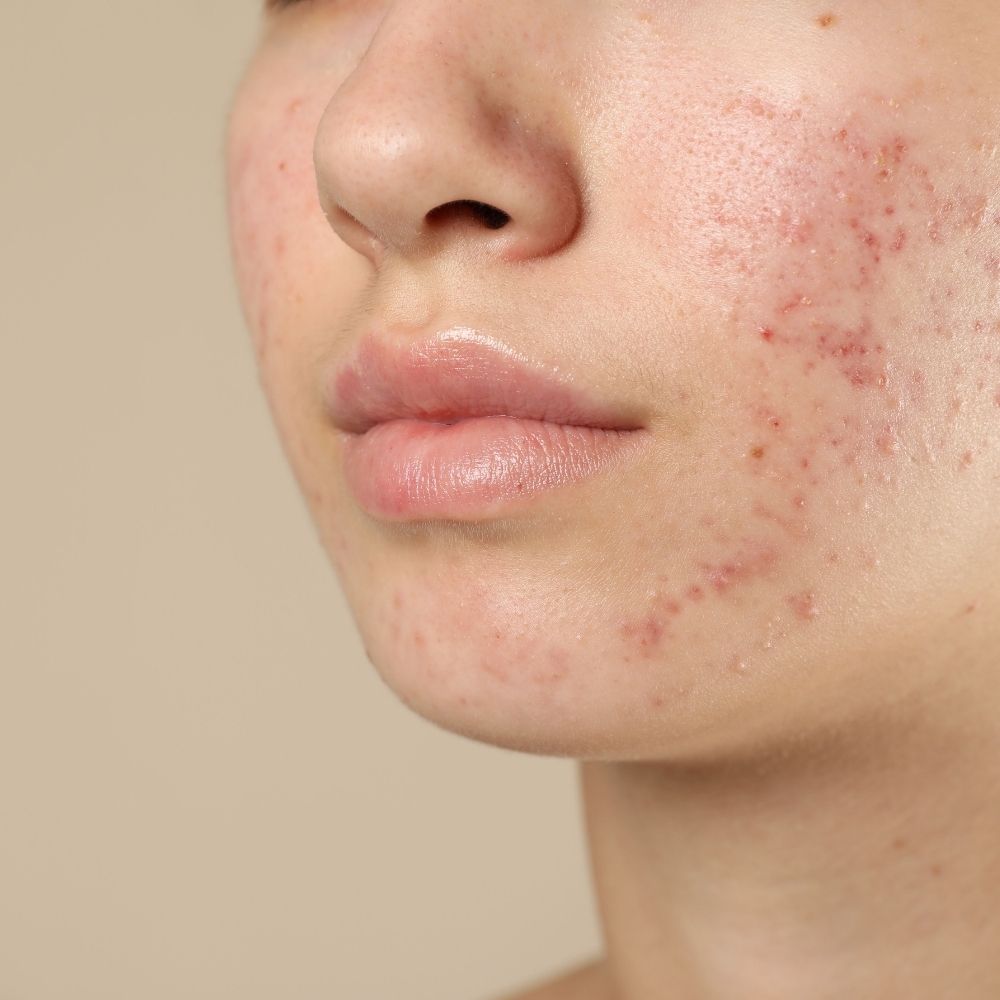
Puberty isn't just a hormonal change, it's a systemic shift that affects immune regulation, gut function, and skin barrier integrity. For young people who've had eczema since childhood, adolescence often brings a change in pattern: different flare triggers, new areas affected, or a worsening that doesn't respond to treatments that used to work.
For some, eczema that had been relatively stable suddenly becomes more difficult to manage. For others, it appears or intensifies for the first time in the early teenage years.
The hormonal, stress, and lifestyle shifts of early adolescence are clinically significant, and rarely addressed in standard eczema management.
WHAT'S DRIVING IT AT THIS AGE
Sex hormones — oestrogen, progesterone, testosterone — directly influence mast cell activity. Mast cells release histamine and inflammatory mediators that drive skin symptoms. As hormone levels shift through puberty, eczema patterns often shift with them.
Cortisol is also more variable in adolescence. Stress, from school, exams, social pressure, sleep disruption, activates the HPA axis and increases gut permeability. A more permeable gut allows inflammatory triggers into the bloodstream, feeding the skin response.
Sleep is often disrupted at this age, both from overnight itching and from the physiological shift in circadian rhythm that occurs in adolescence. Sleep deprivation increases inflammation and reduces the skin's capacity to repair overnight.
Diet becomes more independent at this age, and often less varied. Nutritional gaps in zinc, vitamin D, omega-3s, and B vitamins, all of which support immune regulation and skin barrier function, become more likely. For teenagers who've already been through rounds of elimination diets, this is particularly relevant: years of food restriction can leave significant nutritional deficiencies that are themselves driving skin and immune problems. Where elimination hasn't produced lasting results, restoring nutritional sufficiency and addressing gut health is usually the more productive direction.
INVOLVING YOUR TEENAGER
One thing that changes at this age is that the young person themselves can be part of the process — not just the parent implementing recommendations on their behalf. The Little Eczema Trap toolkit includes charts and tracking tools designed to be used by younger family members, including teenagers who want to understand what's happening with their own skin.

Infographics on the gut-skin connection and the most common drivers of eczema at this age, in language accessible to older children as well as parents

Checklists covering diet, environment, sleep, and stress — the factors most relevant to eczema in the school years
Symptom and food tracking charts to help identify patterns in flares
Medically, children aged 16 and above are considered adults. If your child is 16 or over, the Little Eczema Trap paediatric approach is not the right fit. Please refer to the adult section of the website — the clinical picture and the approach are the same, and adult consultations are available.
ONE-TO-ONE SUPPORT
If your teenager's eczema has a complex pattern — hormonal, stress-related, or entangled with a difficult relationship with food — one-to-one support offers a full clinical assessment of all the factors involved.
Google Reviews