
Why eczema doesn’t look the same at every age
Parents of children with eczema often know the exhaustion of sleepless nights, constant creams, and scratching until the skin bleeds. Adults may see themselves instead – cracked hands that sting with every wash, or eyelids that flare before a big meeting.
Eczema isn’t one single “look.” It shifts across our lives. What begins as red, weeping patches in a baby can become thickened, leathery plaques in an adult.
Childhood hopes and adult realities
Many believe eczema either disappears after childhood or stays the same for life. Some children really do grow out of it. But not all. For some, it calms for years, only to reappear later in a different form. Adults, meanwhile, may dismiss their symptoms if they don’t resemble the or their “typical” childhood rash.
From red cheeks to cracked hands
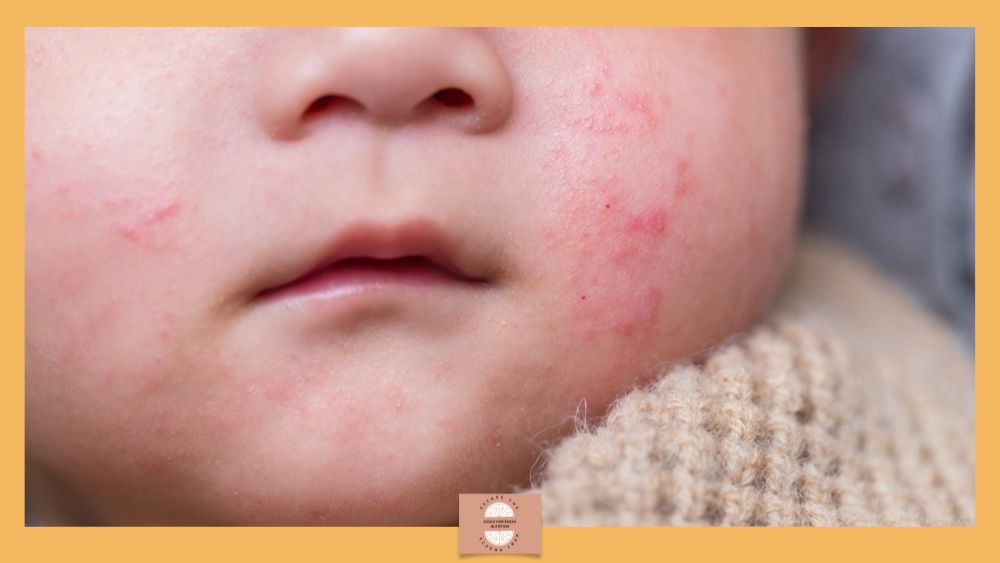
In babies, eczema often starts as bright red patches on the cheeks or scalp, sometimes oozing or sticking to bedding. As toddlers grow, it shifts into the folds of elbows, behind knees, or onto wrists and ankles. Parents often describe it as “rough and sandpapery.”
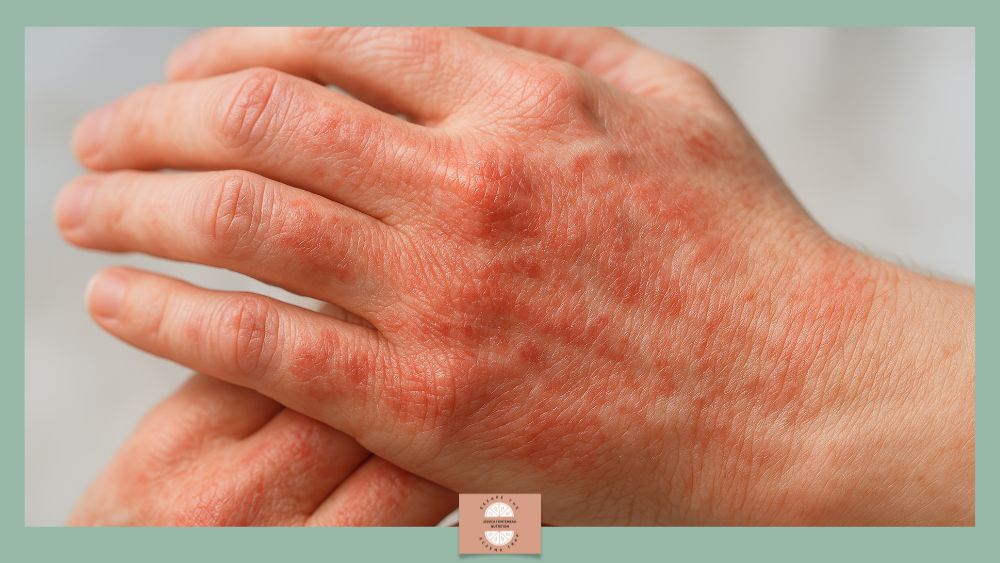
In adults, the pattern is different. Eczema may appear on the hands, eyelids, neck or feet. Years of scratching can leave skin tough and leathery. Stress, hormones and constant contact with soaps or irritants often drive flares. A toddler’s sticky cheeks and an adult’s cracked knuckles may not look alike, but both are eczema – just at different stages of life.
What your immune system has to do with it
Your immune system has different “teams” that influence eczema. In children, the “allergy team” shouts loudest, leading to redness and swelling. In adults, other teams take over – ones that make skin drier, thicker and slower to heal. Which team is in charge changes with age, explaining why eczema evolves.
Small actions that can make a big difference
For children, trimming nails and using cotton pyjamas with mittens at night can cut down scratching damage. For adults, simple swaps such as bland, fragrance-free soap bars or cotton gloves under rubber ones – protect skin from daily irritants.
Eczema is always evolving
The biology behind a baby’s rash isn’t the same as what drives adult eczema. That means management should change with age too. What soothes a toddler may not touch a 40-year-old’s hands, and vice versa.
Food as your skin’s foundation
Food is always key. Every cell in your skin is built from the nutrients you eat. A diet rich in colourful, nutrient-dense foods provides the building blocks for repair and resilience.
Food may not be the only trigger, and not everyone has food-related flares, but it underpins all healing. Supporting gut health and balanced meals lays the foundation for calmer skin.
Lifestyle matters too: stress, disrupted sleep, and jobs involving constant hand washing or chemical exposure often make eczema worse. Hormonal changes, like pregnancy or menopause, add another layer.
Seeing skin in a new light
For parents: your child’s eczema today doesn’t set their future in stone.
For adults: your eczema is valid even if it looks different to childhood eczema.
The most important shift is to see eczema not as fixed, but as something that evolves. That perspective allows you to adapt – finding what works for your skin at your stage of life.