
If your child has eczema, you may have heard of the “Atopic March,” a medical term that describes how eczema can sometimes progress to food allergies, asthma or hay fever. Understandably, this can cause a lot of worry for parents already feeling stretched thin.
The good news? Not every child follows this path. Only around 60% of children with severe eczema go on to develop another allergic condition, and that drops to just 20% in those with mild eczema. So while eczema is something to take seriously, it’s also an opportunity to take action, as early support can help shape a different story.
What’s Going On Beneath the Skin?
The Atopic March is driven by a mix of immune sensitivity, skin barrier issues, and microbiome imbalance. When allergens sneak through damaged skin, the immune system may become “primed” to overreact, not just on the skin, but also in the gut and lungs.
Genetics do play a role, but factors such as early life nutrition, microbial exposure, and stress can either increase or reduce that risk. It’s not just about what your child was born with, it’s about what happens next.
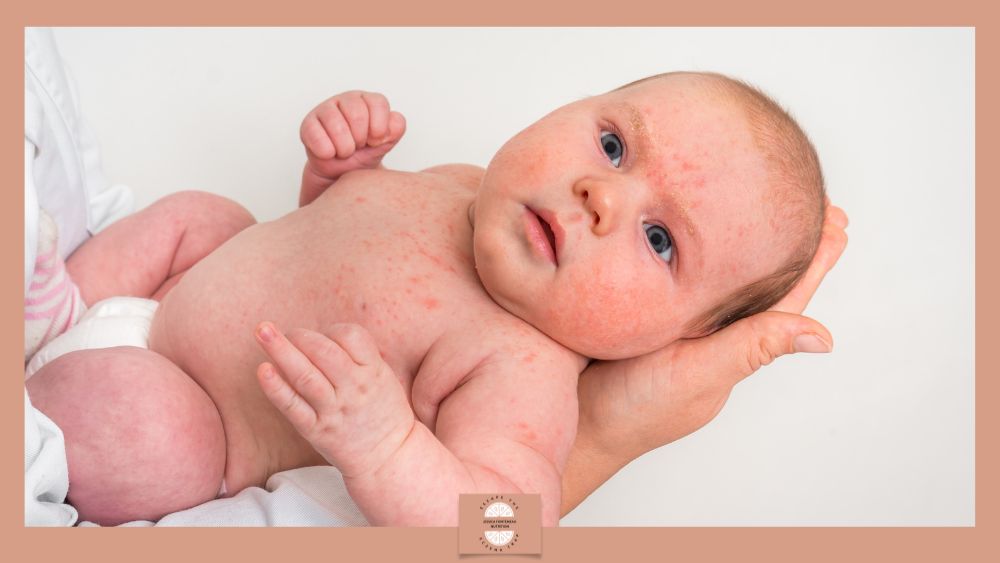
Can You Change the Path?
Yes, there is a lot you can do. From improving the skin barrier and supporting gut health, to carefully managing food reintroductions and reducing unnecessary restriction, the right strategy can help calm your child’s immune system and reduce their risk of progression.
But you don’t need to figure this out alone.
As a registered nutritional therapist specialising in eczema and allergy risk, I work with families to build personalised plans that bring calm, clarity, and confidence, without overwhelm.
→ Read the full article on Substack and find out how to support your child’s health with insight and compassion: